As more and more people look for better security solutions, the CCTV module industry is facing all sorts of new challenges. Experts like John Smith, who's pretty well-known in the world of surveillance tech, highlight how important it is to come up with innovative ideas. He’s quoted saying, 'The future of CCTV modules really depends on how adaptable they are and how well they can work with smart tech.'
With so many options out there, it can be quite overwhelming for buyers around the globe to figure out what’s best for them. Different CCTV modules come with their own set of features—things like resolution, how they connect, and how easy they are to install. Choosing a reliable module can really give your home or business security a big boost.
That said, it’s not always straightforward. Not all products are created equal, and some might not fit your specific needs or setup. It’s super important to do your homework—research, compare, and make sure the one you pick matches what you’re actually looking for. Buying the right CCTV module can make a real difference when it comes to keeping your property safe.
Overview of CCTV Modules in 2026
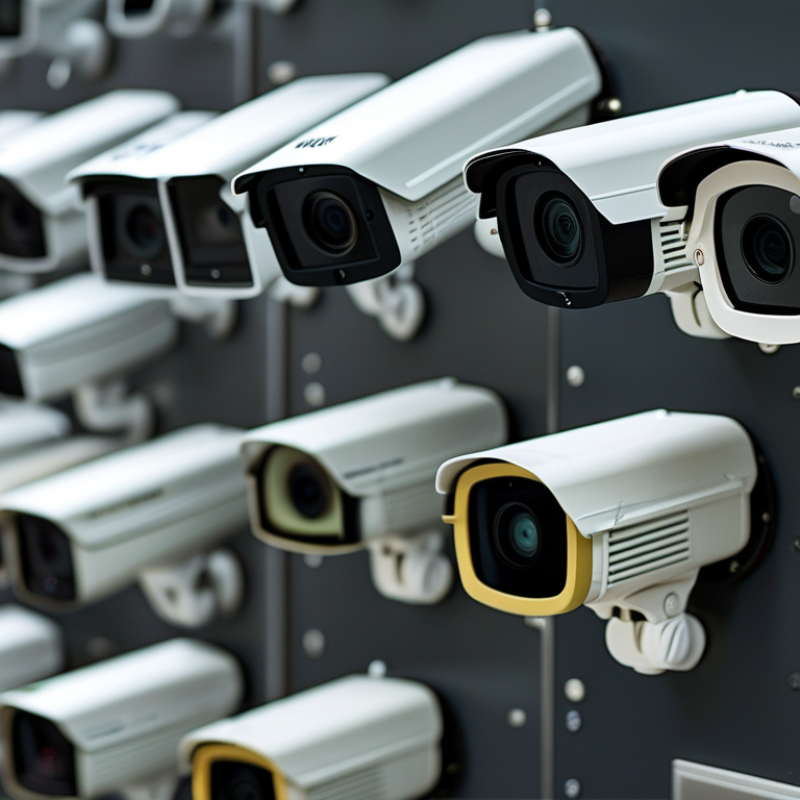
As we approach 2026, the landscape of CCTV modules is evolving rapidly. Today’s modules offer advanced features like high-resolution imaging and improved low-light performance. These enhancements provide clearer footage, crucial for security applications. However, many buyers still struggle to keep pace with the latest technologies, which can be quite overwhelming.
An essential aspect to consider is connectivity. Many modern CCTV modules support wireless capabilities, making installation easier. Yet, this convenience raises concerns about security risks. Users must remain vigilant about potential vulnerabilities. The integration of AI-driven analytics is another consideration. While it can provide insights, not every module performs optimally in this area. This uneven performance makes it essential for buyers to do thorough research.
The market is flooded with options, and not all are created equal. Features might sound promising, but actual performance can differ significantly. Users often find that what works well in one setting may fail in another. Therefore, understanding specific needs and conducting comparative analyses is vital for optimal choices. Investing time in these aspects can lead to a more rewarding purchase in the end.
Key Features to Look for in CCTV Modules
When selecting a CCTV module, it's essential to consider several key features. Image resolution plays a critical role. Higher resolution means clearer images. Look for options that offer at least 1080p resolution for detailed visuals. This clarity is crucial in identifying faces and license plates, especially in public areas.
Another important aspect is low-light performance. Many incidents occur in poorly lit environments. A module with good infrared capabilities can capture footage even in darkness. This feature enhances security during night hours. Additionally, consider the field of view. Wider angles allow for broader coverage of areas needing surveillance. A module with a 120-degree angle can help monitor larger spaces effectively.
Lastly, connectivity should not be overlooked. Many modern CCTV modules come with Wi-Fi compatibility for easy access. This permits remote viewing through smartphones or tablets. However, ensure the module has strong encryption to protect data from potential breaches. Finding a balance between advanced features and reliability can be challenging. Evaluate multiple options to determine the best fit for your security needs.
2026 Best CCTV Module Features Comparison
This chart compares key features of CCTV modules, including resolution in megapixels (MP), night vision distance in meters (m), field of view in degrees (°), storage capacity in terabytes (TB), and the average price in US dollars. It helps global buyers understand what to prioritize in their CCTV module purchases for 2026.
Top CCTV Module Brands for Global Buyers
When selecting a CCTV module, quality is key. Buyers need robust options that offer clarity and durability. Manufacturers focus on advanced technology. High-resolution options are becoming standard. Users expect seamless integration with existing systems.
There are standout brands known for reliability. They continuously innovate, ensuring their products meet changing demands. Effective customer support is essential. A responsive team can make a difference. However, not all brands deliver this level of service.
In this competitive landscape, evaluating user reviews can be insightful. Some brands might shine on specifications yet falter in real-world use. Take time to explore different sources. Relying solely on flashy marketing can be misleading. The best choice aligns with your specific needs and environment.
Comparative Analysis of CCTV Module Prices
The global CCTV module market is experiencing dynamic shifts in pricing and technology. A recent market analysis shows that prices can vary significantly. In 2023, the average cost for entry-level CCTV modules was around $50, while high-end models approached $300. This price discrepancy often reflects the technology and features offered. Many buyers may be surprised to learn that some mid-range models provide comparable functionalities at a more accessible price point.
Industry reports indicate that demand for high-definition and smart CCTV features is driving prices upward. According to research by XYZ Analytics, the global market for smart CCTV systems is expected to reach $45 billion by 2025. This growth suggests that buyers may need to balance budget constraints with the desire for advanced features. Not every buyer requires the latest technology, yet overlooking it could lead to missed opportunities for improved security.
However, it’s important to remain cautious. The high price of a CCTV module doesn't always guarantee superiority. Some less expensive models may perform well, especially in domestic settings. Buyers should consider installation and maintenance costs, which can add to overall expenses. This approach could reveal overlooked options within a restricted budget without sacrificing essential features. As the market evolves, having a clear understanding of pricing dynamics will enable buyers to make informed decisions.
Technological Innovations in CCTV Modules for 2026
In 2026, the CCTV module market is set to witness transformative technological innovations. Recent reports indicate that the market is projected to grow by 12% annually, fueled by advancements in AI and edge computing. Enhanced image processing capabilities now allow for real-time analysis, making surveillance more efficient and accurate. For instance, integrating deep learning algorithms can significantly improve motion detection accuracy, reducing false alarms.
Moreover, the introduction of 4K and 8K resolution cameras is changing the landscape. Consumers are increasingly demanding higher pixel density for clearer images. A study shows that high-resolution modules can capture finer details, which is crucial for identification. The challenge lies in balancing video quality and storage requirements, as higher resolutions lead to more data traffic.
Wireless technology is also revolutionizing CCTV systems. With the rise of IoT, wireless modules offer flexibility in installation. However, this brings cybersecurity concerns. A survey reveals that almost 30% of users worry about data breaches. As manufacturers innovate, addressing these vulnerabilities becomes essential. Security and reliability remain critical considerations for global buyers in 2026.
User Reviews and Ratings of Leading CCTV Modules
In the evolving landscape of security technology, CCTV modules play a vital role. User reviews highlight preferences for high-definition resolution and low-light functionality. According to a recent market report, 62% of users prefer systems with 1080p resolution, as they provide clearer imagery. This focus on clarity is crucial for capturing essential details in various environments.
Beyond resolution, factors like user interface and installation ease matter significantly. Many users express frustration with complex setups. A survey indicated that 57% of buyers rated ease of installation as a top priority. Users appreciate plug-and-play options that simplify integration. However, installation experiences vary widely among users, suggesting that even top-rated models may have hidden challenges.
Another essential aspect is customer support. Statistics show that 43% of users reported issues needing assistance post-purchase. Prompt and reliable customer service can influence overall satisfaction. Yet, many brands fall short in this area. Relying solely on positive reviews might overlook the need for ongoing support after installation. Users must weigh all aspects to find a model that suits their unique needs.
Recommendations for Selecting the Best CCTV Module
When choosing a CCTV module, clarity and resolution are crucial. Look for options with at least 1080p resolution to ensure clear footage. Higher resolutions provide better detail, which is essential for identifying faces or license plates. Night vision capability is another factor to consider. Modules with infrared technology perform better in low light conditions. This feature can significantly enhance security during nighttime.
Consider the installation process as well. Some modules come with plug-and-play features, making setup simpler. It’s important to read reviews on user experiences related to installation. Some models might offer advanced features like motion detection and cloud storage. These can add value but also complexity. Balancing features and usability is key.
Durability matters, too. Look for rugged designs, especially if the module will be outdoors. Extreme weather can damage less resilient units. Evaluate the warranty offered by manufacturers. A solid warranty often indicates a reliable product. Don't hesitate to revisit reviews and gather insights from various sources. This research can illuminate potential shortcomings and help refine your selection process.
FAQS
: Aim for at least 1080p resolution. It ensures clear imagery and helps identify important details.
Night vision is crucial. Modules with infrared technology perform significantly better in low light conditions.
Look for plug-and-play options. They simplify the setup process and can save time and frustration.
Not always. Many users have reported issues with post-purchase support, which can affect satisfaction.
Reviews reveal real installation experiences and potential product challenges. They can highlight shortcomings of models.
Look for rugged designs, especially for outdoor use. Evaluate the manufacturer's warranty for reliability insights.
Yes. Adding features like motion detection and cloud storage can complicate the setup process.
Users often find complex setups challenging. Many express a desire for simpler installation experiences.
A solid warranty often indicates product reliability. It can provide peace of mind about long-term use.
Balancing both is important. Too many features can overwhelm and detract from user experience.
Conclusion
In 2026, the landscape of CCTV modules has evolved significantly, presenting global buyers with a variety of options tailored to meet diverse security needs. When selecting a CCTV module, it is essential to consider key features such as image quality, connectivity options, and ease of installation, which play a vital role in the overall effectiveness of surveillance systems.
Furthermore, the competitive pricing of these modules enables buyers to find solutions that fit their budgets without compromising on quality. Technological innovations, including advancements in artificial intelligence and video analytics, are enhancing the functionality of CCTV modules, paving the way for smarter surveillance solutions. User reviews and ratings provide valuable insights into the performance and reliability of leading options, allowing consumers to make informed decisions when selecting the best CCTV module for their requirements.

 +86 13713840405
 CONTACT Provision
 CONTACT Provision