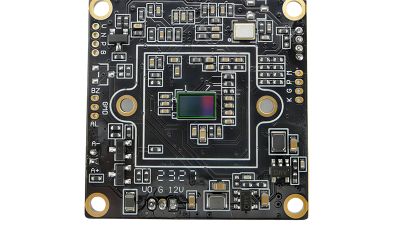
The UAV camera module market is really booming right now, and it's pretty clear why—more and more folks are looking for aerial photos and surveillance solutions. A recent report from MarketsandMarkets even estimates that this market could hit around $5 billion by 2025. Wow, that’s a huge jump! It just goes to show how important UAV camera modules have become across different fields like farming, real estate, and public safety.
I had a chat with Dr. Emily Chen from SkyVision Technologies, one of the experts in this space. She pointed out that coming up with innovative designs for these camera modules is absolutely key. She said, “The evolution of UAV camera modules is crucial for better aerial data collection,” which makes perfect sense. Thanks to advancements in imaging tech and making devices smaller and lighter, high-res aerial imagery is now more accessible than ever.
That said, it’s not all smooth sailing. There are some hurdles too. For starters, we really need more standardized quality benchmarks—right now, the quality varies quite a bit between manufacturers. While many companies are doing a great job, those inconsistencies can shake user confidence. Tackling this issue will definitely be essential if this market wants to keep growing steadily. As things move forward, everyone involved will need to focus on pushing innovative solutions while also making sure their products are reliable and trustworthy—that’s how they’ll keep winning over customers in this competitive space.
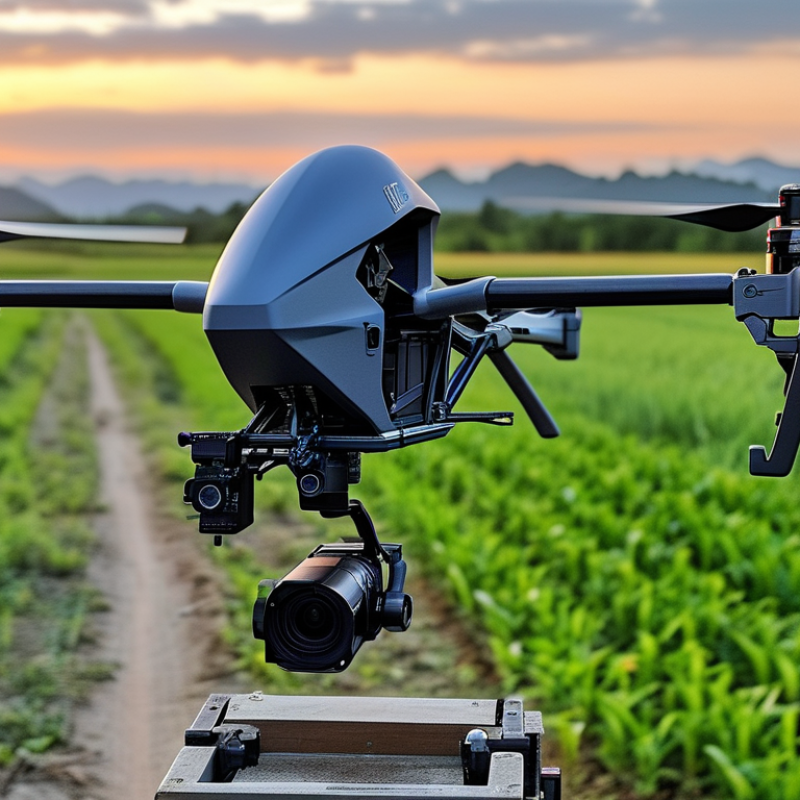
China's Leading OEM UAV Camera Module Suppliers Overview
In recent years, China has emerged as a key player in the OEM UAV camera module market. Several suppliers are at the forefront, driving innovation and quality. These manufacturers focus on integrating advanced imaging technology to enhance drone capabilities. Their contributions have significantly improved aerial photography and surveillance tasks.
High-resolution cameras are becoming standard. Many suppliers prioritize lightweight designs that do not compromise image quality. This innovation enables drones to fly longer while capturing stunning visuals. Some suppliers also explore unique features, such as thermal imaging and low-light performance. These features cater to various applications, from agriculture to security.
Tips: When selecting a camera module, focus on compatibility with your UAV. Check user reviews to understand performance in real-world scenarios. Don't overlook the importance of after-sales support, which can be crucial for long-term reliability. Suppliers must continuously adapt to changing market demands, yet not all meet these challenges well. Reflecting on failures can guide improvements in this competitive landscape.
Key Players in the Chinese UAV Camera Module Market
The Chinese UAV camera module market is thriving, marked by several influential players. These companies drive innovation and elevate technological standards, influencing both local and global markets. Their expertise in optics and sensor technology contributes significantly to the evolution of drone capabilities. The relentless push for improvements in image quality and data processing is evident among top suppliers.
Tips: Focus on the rapid developments in low-light performance. This aspect often determines the application scope of UAVs in various sectors.
Another factor to consider is the integration of artificial intelligence. Companies are experimenting with AI to enhance image recognition and real-time data analysis. This will inevitably shape future UAV functionalities, providing more value to consumers.
Tips: Keep an eye on emerging trends. They can offer insights into which technologies may dominate the market next.
Challenges persist in achieving consistency and reliability across products. Some manufacturers struggle with quality control, impacting their reputation. The need for stringent testing processes is critical for maintaining credibility. This aspect is crucial as the industry matures.
Innovations in UAV Camera Technology by Chinese Manufacturers
Chinese manufacturers are making significant strides in UAV (Unmanned Aerial Vehicle) camera technology. Recent data from the industry indicates that the UAV camera market is projected to reach USD 1.4 billion by 2025, with a compound annual growth rate (CAGR) of 16%. This growth highlights the increasing reliance on aerial imaging for various applications, including agriculture, surveillance, and environmental monitoring.
Innovations in sensor technology are leading the charge. Multi-spectral and thermal imaging sensors are becoming more prevalent. These sensors enhance the capabilities of UAVs, allowing for detailed analysis in precision agriculture and disaster management. Despite these advancements, there is still room for improvement. The challenge of miniaturizing these sensors while maintaining performance is ongoing. The balance between size and functionality remains a point of reflection for manufacturers.
Moreover, improvements in data processing software are crucial for maximizing the potential of UAV camera modules. Enhanced algorithms can significantly improve image quality and processing speed. Market reports indicate that image post-processing technology will be critical in differentiating service providers. Improving this area can enhance operational efficiency. However, companies must address data privacy and security concerns associated with the vast amounts of data collected through aerial imaging. As the industry evolves, the journey toward optimal technology continues.
Innovations in UAV Camera Technology by Chinese Manufacturers
Market Trends Influencing UAV Camera Module Development in China
The UAV camera module market in China shows significant growth. Increased demand from various sectors drives this innovation. Agriculture, surveillance, and logistics all benefit from advanced imaging technology. This trend highlights the need for high-quality, reliable camera modules.
New sensor technologies enhance image quality and data processing speeds. For instance, CMOS sensors are gaining traction. They offer better low-light performance and energy efficiency. However, challenges still exist. Balancing cost and technology remains a major concern for manufacturers.
Moreover, regulatory changes are influencing development. Manufacturers must comply with evolving drone laws. This shapes product designs and market strategies. The focus on lightweight materials is evident. Reducing weight improves flight efficiency, but sourcing materials presents difficulties. It leads to a constant need for innovation and adaptation in this fast-paced industry.
Challenges Faced by UAV Camera Module Suppliers
The UAV camera module industry in China faces a range of challenges. Rapid technological advancements create pressure to innovate. Suppliers must continually upgrade their production processes to keep pace with competitors. According to a recent market report, the global drone camera module market is expected to grow by over 30% annually until 2026. This surge demands suppliers to enhance their offerings and maintain quality.
Additionally, quality control remains a pivotal issue. Many suppliers encounter difficulties in ensuring consistent performance across batches. Reports indicate that 25% of UAV camera modules experience issues related to image stabilization and resolution. These flaws can reduce consumer trust and impact overall sales. It highlights the necessity for enhanced manufacturing techniques and rigorous testing protocols.
Supply chain disruptions also present significant hurdles. Factors such as component shortages and rising raw material costs are common. Recent data shows that over 40% of suppliers have faced delays due to these issues. These delays can lead to project stalling and loss of market positioning. Identifying alternative suppliers and optimizing logistics is crucial for future stability.
China Top OEM UAV Camera Module Supplier Insights and Innovations - Challenges Faced by UAV Camera Module Suppliers
| Dimension |
Value |
| Market Size (2023) |
$2.5 Billion |
| Growth Rate (2023-2028) |
15% |
| Main Application Areas |
Agriculture, Surveillance, Inspection |
| Key Innovations |
AI Integration, Enhanced Imaging, Lightweight Materials |
| Major Challenges |
Regulatory Compliance, Competition, Technological Advancements |
| Leading Technology Trends |
3D Mapping, Real-time Data Processing |
| Top Regions |
Asia-Pacific, North America |
Comparative Analysis of Chinese and Global UAV Camera Innovations
The UAV camera module market has seen significant innovations, particularly from Chinese manufacturers. Their emphasis on advanced imaging technologies, such as high-resolution sensors and improved stabilization systems, sets them apart globally. Many products incorporate AI-driven features, enhancing object tracking and scene recognition. This approach allows users to capture more detailed imagery in diverse environments.
In contrast, global competitors often focus on diverse use cases, ranging from agriculture to public safety. While they offer robust solutions, some rely heavily on established technologies. Comparatively, Chinese manufacturers often integrate newer technologies faster but face criticism over quality control processes. This raises questions about long-term reliability versus immediate technological advantages.
Price points also highlight a clear distinction. Chinese manufacturers often provide cost-effective solutions, appealing to budget-conscious consumers. However, lower prices sometimes correlate with trade-offs in durability and performance. This dynamic has initiated conversations about a more balanced approach between affordability and quality in the UAV camera module sector, prompting ongoing reflection on future advancements.
Future Prospects for UAV Camera Modules in China’s Drone Industry
The drone industry in China is experiencing rapid growth, particularly in UAV camera modules. According to a recent market report, the market for drone camera modules is expected to grow at a CAGR of over 15% from 2023 to 2030. The increasing demand for aerial surveillance and agricultural monitoring propels this trend. Companies are focusing on enhancing image quality and reducing weight. Innovations in lens technology and sensor capability are game-changers.
Tips: Always evaluate data quality when considering investments. Reliable sources enhance decision-making.
Despite these advancements, challenges remain. Many manufacturers face difficulties in integrating advanced features while maintaining competitive pricing. The pressure to innovate can lead to rushed developments. Misjudging market needs can result in costly failures.
Tips: Conduct regular market analysis. Stay connected with industry trends to avoid pitfalls.
Looking ahead, the future of UAV camera modules appears bright. Demand is driven not only by the agricultural sector but also by industries like construction and logistics. Integrating AI for image processing can further enhance product capabilities. However, firms must balance innovation with practicality to ensure long-term success.
Enhancing Fleet Safety: The Impact of AI-Based Driver Monitoring Systems on Reducing Fatigue-Related Incidents in Commercial Transportation
As the commercial transportation industry grapples with the pressing issue of fatigue-related incidents, AI-based driver monitoring systems emerge as pivotal tools for enhancing fleet safety. These advanced systems leverage cutting-edge technology, including facial recognition and behavior analysis, to monitor driver alertness in real-time. By detecting signs of drowsiness or distraction, these systems provide instant alerts to drivers and fleet managers, ensuring that potential hazards are addressed before they escalate. Such proactive measures have been proven to significantly reduce the likelihood of accidents caused by tired operators.
The integration of AI fatigue detection technology into commercial vehicles is not only beneficial for safety but also essential for optimizing fleet management. With features like 1MP resolution tuned for facial feature extraction and eye-tracking algorithms, fleets can rely on high-quality monitoring that adapts seamlessly to long-haul driving conditions. The compact design allows for easy installation in standard dashboard and A-pillar configurations, while compatibility with 12V automotive standards facilitates flawless alignment with existing vehicle power systems. By adopting these innovative solutions, taxi operators and trucking companies can enhance their safety protocols, ensuring the well-being of both drivers and passengers alike.
FAQS
V camera module market in China?
New sensor technologies, particularly CMOS sensors, enhance image quality and processing speeds.
They offer better low-light performance and improved energy efficiency for extended usage.
Balancing cost with technology remains a significant concern for many producers.
Manufacturers need to comply with changing drone laws, affecting their product strategies.
Lightweight materials improve flight efficiency but sourcing them can be challenging.
Chinese manufacturers often adopt new technologies faster but face quality control criticisms.
Chinese manufacturers offer more affordable options, but they may sacrifice durability.
AI-driven features enhance tracking and scene recognition, yet quality control issues linger.
Lower prices may reduce quality and performance, prompting a need for a balanced approach.
Conclusion
The article provides a comprehensive overview of China's leading OEM UAV camera module suppliers, highlighting the key players in the market and their innovations in UAV camera technology. As the demand for unmanned aerial vehicles continues to grow, these suppliers are at the forefront of developing advanced UAV camera modules that enhance aerial imaging capabilities. The article further discusses the current market trends shaping the UAV camera module sector in China, as well as the challenges these manufacturers face in a competitive landscape.
In addition, a comparative analysis of Chinese and global innovations in UAV camera modules is presented, showcasing China's rapid advancements in technology and design. The future prospects for UAV camera modules within China's drone industry appear promising, driven by continuous innovation and an expanding market. Overall, the insights offered underscore the significance of UAV camera modules in revolutionizing aerial surveillance and imaging.

 +86 13713840405
 CONTACT Provision
 CONTACT Provision